TLDR
Delayed radiation injury, including osteoradionecrosis (ORN), soft tissue radionecrosis (STNR), radiation cystitis, and radiation proctitis, is a UHMS-recognized indication for hyperbaric oxygen therapy. Care may be covered when medically eligible and authorized through VA Community Care. Many veterans developed these injuries months or years after cancer radiation. Medicare lists osteoradionecrosis and soft tissue radionecrosis as covered adjuncts to conventional treatment. OxygenWell in Sherman Oaks and Calabasas works with authorized VA Community Care referrals. Call (818) 661-0939 after authorization, or start with your VA provider.
Table of Contents
- What Is Delayed Radiation Injury?
- Is HBOT a UHMS-Recognized Indication?
- Does the VA Cover HBOT for Delayed Radiation Injury?
- How to Request VA Community Care Authorization for HBOT
- What to Expect at OxygenWell
- Why OxygenWell (Sherman Oaks and Calabasas)
- FAQ
What Is Delayed Radiation Injury?
Delayed radiation injury is tissue damage that shows up after a latent period, often six months or more after radiation, and sometimes years later. The Undersea and Hyperbaric Medical Society describes acute, sub-acute, and delayed radiation complications. Delayed injury is the form hyperbaric oxygen is most studied for. (UHMS: Delayed Radiation Injury)
Veterans who received radiation for head and neck, prostate, bladder, rectal, cervical, or other cancers can later develop:
- Osteoradionecrosis (ORN): dead or poorly healing bone in the radiation field, often the jaw after head and neck treatment.
- Soft tissue radionecrosis (STNR): non-healing ulcers, necrosis, or fibrotic wounds in irradiated soft tissue.
- Radiation cystitis: bladder injury after pelvic radiation, with urgency, frequency, pain, or bleeding.
- Radiation proctitis: rectal bleeding, pain, and poor healing after pelvic radiation.
Radiation injures small blood vessels (obliterative endarteritis) and drives fibrosis. Tissue becomes hypoxic and does not repair the way healthy tissue does. Surgery inside a radiated field can also unmask delayed injury.
For condition-specific clinical detail, see our articles on radiation cystitis and hyperbaric oxygen therapy, soft tissue radionecrosis, and the Marx Protocol for osteoradionecrosis.
Is HBOT a UHMS-Recognized Indication for Delayed Radiation Injury?
Yes. Delayed radiation injury (soft tissue and bony necrosis) is a listed UHMS indication. UHMS notes that hyperbaric oxygen is among the most studied applications for delayed radiation injuries, and that management often needs a multidisciplinary plan when bone necrosis is present. A consistent finding is vascular obliteration and stromal fibrosis. Hyperbaric oxygen stimulates angiogenesis in hypoxic tissue, which is one reason it is used here. Marx documented increased vascularity and cellularity in heavily irradiated tissue after HBO2. (UHMS chapter 11)
Medicare Part B may cover hyperbaric oxygen therapy in a chamber for osteoradionecrosis and soft tissue radionecrosis as an adjunct to conventional treatment, among other listed conditions. That list is not a VA authorization, but it is the national coverage framework many VA and Community Care reviews reference. (Medicare.gov: Hyperbaric oxygen therapy)
Does the VA Cover HBOT for Delayed Radiation Injury?
HBOT for delayed radiation injury may be covered when medically eligible and authorized. OxygenWell does not decide VA eligibility. The VA referral and authorization set the diagnosis, session count, and scope of care.
Typical documentation includes radiation history, current symptoms, imaging or endoscopy when relevant, failed or incomplete response to conventional care, and a clinical finding that HBOT is medically appropriate. For a broader walkthrough of Community Care HBOT, see VA Community Care for hyperbaric oxygen therapy in Los Angeles.
Most non-emergency Community Care requires a VA referral and authorization before treatment with a community provider begins. You generally do not self-refer and then bill the VA. (VA Community Care: prior approval)
How to Request VA Community Care Authorization for HBOT
1. See your VA provider and request evaluation. Bring radiation records, oncology notes, dental or ENT notes for jaw ORN, urology notes for cystitis, or GI notes for proctitis. Ask whether hyperbaric oxygen is medically appropriate for delayed radiation injury.
2. Request a Community Care referral through VA CCN. If the VA cannot provide HBOT in a timely way at a VA facility, ask your care team to submit a Community Care Network referral to an authorized community hyperbaric clinic.
3. Schedule at OxygenWell after authorization. Once the authorization is issued, call (818) 661-0939. We review the approved scope, coordinate documentation, and schedule promptly after authorization and medical clearance. We do not start an authorized course until the VA paperwork is in place.
What to Expect at OxygenWell
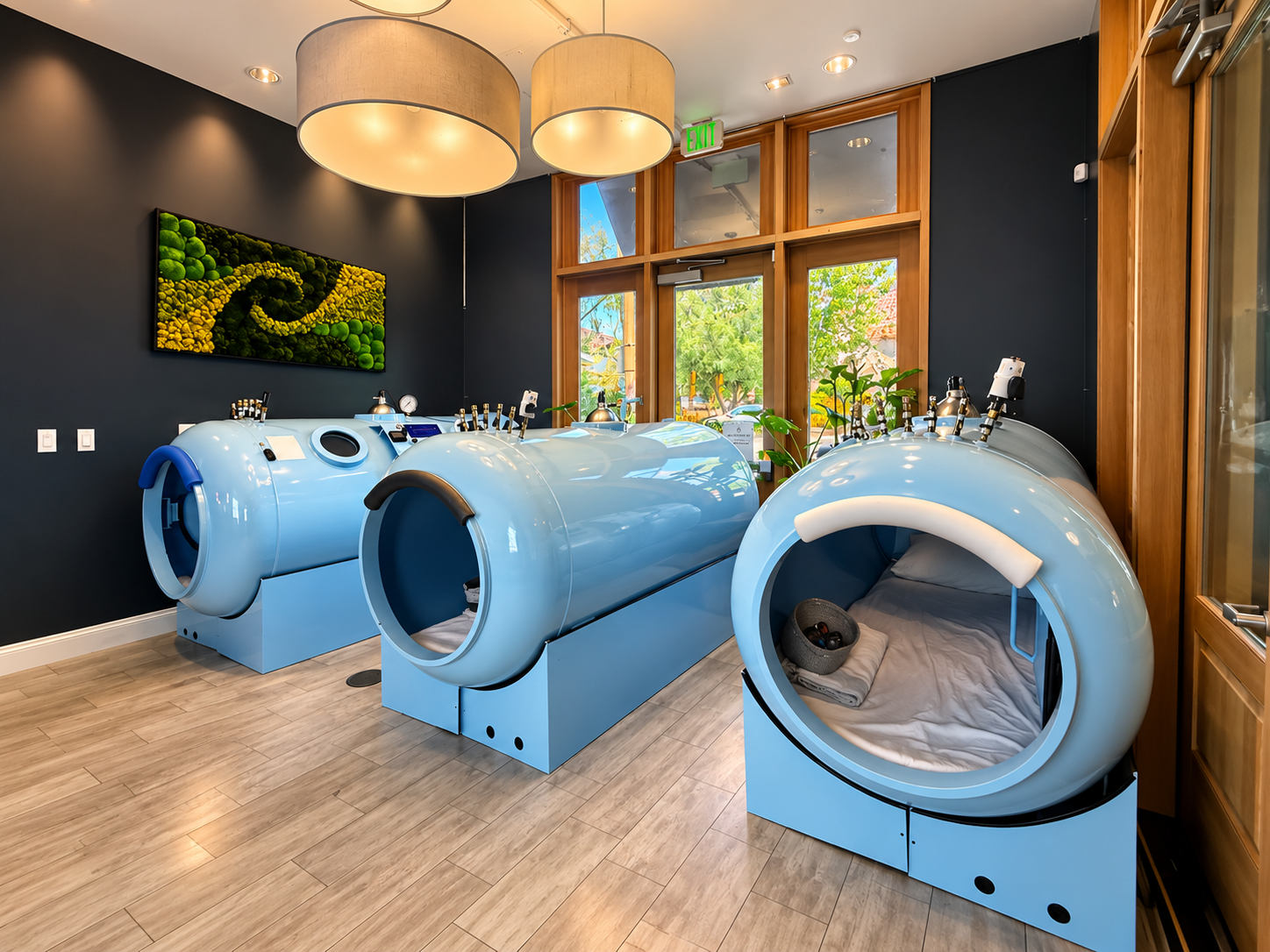
Sessions use hard-shell Fortius420 monoplace chambers. You breathe 100% medical-grade oxygen through a non-rebreather mask at pressures up to 2.4 ATA, following the prescribed protocol. Sessions commonly run about 90 minutes. Certified Hyperbaric Technicians (CHTs), most of whom are EMT-certified, monitor each dive. A PA is on site most weekday hours.
ORN protocols often follow a Marx-style plan (pre-surgical and post-surgical blocks when surgery is planned). Cystitis, proctitis, and STNR courses often run in the 30 to 40 session range when that is what the order and authorization allow. Your actual plan follows the physician order and the VA authorization, not a marketing package.
Sherman Oaks and Calabasas are open seven days, with evening appointments, which helps veterans keep a daily or near-daily schedule.
Why OxygenWell (Sherman Oaks and Calabasas)
OxygenWell is a hyperbaric and regenerative medicine center in Sherman Oaks and Calabasas. Dr. Beth Meneley, DAOM, L.Ac., brings 25+ years in integrative medicine and 12+ years dedicated to hyperbaric medicine in Los Angeles. The clinical team has supervised 50,000+ HBOT sessions.
We accept VA Community Care when the Veteran has a valid referral and authorization. We review authorizations, follow prescribed orders, keep treatment notes, and coordinate with VA and referring providers when additional sessions need documentation.
Sherman Oaks: 15301 Ventura Blvd., Suite P-12, CA 91403
Calabasas: 23500 Park Sorrento, Suite A2, CA 91302
Phone: (818) 661-0939
Website: www.oxygenwell.com
FAQ
Does delayed radiation injury qualify for VA Community Care HBOT?
It is a UHMS-recognized indication. Coverage may apply when medically eligible and authorized. Ask your VA provider to document the radiation injury and request a CCN referral.
My radiation was years ago. Is it too late?
Delayed injury can appear years later. UHMS describes a latent period of six months or more, sometimes much longer. Time since radiation alone does not automatically disqualify you. Your VA clinician still has to determine medical necessity.
Is radiation cystitis the same as delayed radiation injury?
Radiation cystitis is one form of delayed radiation injury, along with ORN, STNR, and radiation proctitis. See our radiation cystitis HBOT article for bladder-specific detail.
What is the Marx Protocol?
It is a structured HBOT plan used around surgery for osteoradionecrosis of the jaw. Read our Marx Protocol overview. The VA authorization, not the protocol name, controls how many sessions you receive.
Can I start at OxygenWell before the VA authorizes care?
Community Care billing generally requires prior VA approval. You can call us to discuss records and next steps, but authorized VA-paid treatment starts after referral and authorization, then medical clearance.
OxygenWell does not determine VA eligibility or guarantee authorization. Coverage, session count, and approved services are determined by the VA.
Call (818) 661-0939 or visit www.oxygenwell.com to coordinate care at Sherman Oaks or Calabasas after your authorization is in hand.