


TLDR
Radiation cystitis, a painful bladder condition that develops after pelvic radiation, is a UHMS-recognized indication for hyperbaric oxygen therapy and may be covered when medically eligible and authorized through the VA Community Care Network. Veterans who received radiation for prostate, bladder, cervical, or rectal cancer are among the most commonly affected. The UHMS has documented that the VA is not currently offering HBOT for this condition at most of its own facilities, making Community Care authorization at a civilian provider the critical access pathway. OxygenWell in Sherman Oaks and Calabasas is an authorized VA Community Care provider. Call (818) 661-0939 to coordinate care after authorization.
Table of Contents
- What Is Radiation Cystitis?
- Veterans, Prostate Cancer, and Pelvic Radiation
- Why HBOT Is the Most Effective Treatment for Radiation Cystitis
- Is HBOT a UHMS-Recognized Indication?
- Does the VA Cover HBOT for Radiation Cystitis?
- The VA's Current Gap in Care
- How to Request VA Community Care Authorization
- What to Expect at OxygenWell
- Why OxygenWell
- Frequently Asked Questions
What Is Radiation Cystitis?
Radiation cystitis is bladder damage caused by radiation therapy to the pelvis. It can develop during treatment or, more commonly, months to years after radiation ends. Symptoms range from urinary urgency, frequency, and burning to blood in the urine (hematuria), which in severe cases can be heavy and recurrent.
The underlying cause is vascular injury to the bladder wall. Radiation damages the small blood vessels that supply the bladder lining, creating chronic tissue hypoxia. Without adequate oxygen, damaged vessels become fragile and prone to bleeding, the bladder lining cannot repair itself, and fibrosis sets in. Standard urological treatments such as fulguration, intravesical therapies, and bladder irrigation address symptoms but cannot restore the oxygen-starved tissue environment driving the damage.
For many veterans, radiation cystitis goes unrecognized as a treatable condition, or they are told there is nothing further to be done. That is no longer accurate.
Veterans, Prostate Cancer, and Pelvic Radiation
Prostate cancer is disproportionately common among veterans. Exposure to Agent Orange is associated with a significantly higher risk of prostate cancer, and the VA recognizes prostate cancer as a presumptive condition for Agent Orange-exposed veterans. Many of these veterans received radiation therapy as a primary treatment, and a meaningful percentage go on to develop radiation cystitis as a long-term consequence.
The UHMS has specifically identified hemorrhagic radiation cystitis as a condition with a significant burden within the VA patient population, driven in large part by the volume of prostate cancer cases treated with pelvic radiation. (UHMS, Pressure) Beyond prostate cancer, veterans who received pelvic radiation for bladder, rectal, or cervical cancer also face radiation cystitis risk.
StatPearls, the clinical reference used by medical providers, lists HBOT alongside oral pentosan polysulfate as a first-line management option for hemorrhagic radiation cystitis. (StatPearls/NCBI, Prostate Cancer) And a 2025 study published in PMC reported patient outcomes with HBOT specifically for radiation-induced hemorrhagic cystitis following prostate cancer treatment, adding to a growing body of evidence supporting its use. (PMC, 2025)
Why HBOT Is the Most Effective Treatment for Radiation Cystitis
HBOT works at the root of radiation cystitis. At 2.0 to 2.4 ATA, breathing 100% medical-grade oxygen saturates plasma with dissolved oxygen at levels high enough to reach tissue that no longer has functional capillary flow. Inside the damaged bladder wall, this does three things standard treatments cannot:
- Angiogenesis: HBOT stimulates the formation of new blood vessels in the radiation-damaged field, restoring the oxygen supply that the bladder wall needs to heal.
- Tissue repair: With restored oxygenation, the bladder lining can regenerate, reducing the fragility of damaged vessels that causes bleeding.
- Fibrosis reduction: Chronic hypoxia drives fibrotic scarring in the bladder. Restoring oxygen levels interrupts this cycle and allows healthier tissue remodeling.
Clinical response rates for HBOT in radiation cystitis are consistently high. Most patients see significant reduction in bleeding and urinary symptoms, and many achieve complete resolution after a full course of treatment.
Is HBOT a UHMS-Recognized Indication for Radiation Cystitis?
Yes. Delayed radiation injuries, which include radiation cystitis, radiation proctitis, soft tissue radionecrosis (STNR), and osteoradionecrosis (ORN), are UHMS-recognized indications for HBOT. The UHMS Hyperbaric Oxygen Therapy Indications document is the clinical standard used by CMS, Medicare, and the VA to determine coverage eligibility.
Radiation cystitis specifically falls under the delayed radiation injury category and is one of the clearest, best-documented applications of hyperbaric medicine. The mechanism is well understood, the clinical evidence is strong, and the VA's own clinical guidelines acknowledge it as a covered indication when properly authorized.
For more detail on how HBOT treats the full spectrum of delayed radiation injuries, see our dedicated article on radiation cystitis and hyperbaric oxygen therapy.
Does the VA Cover HBOT for Radiation Cystitis?
HBOT for radiation cystitis may be covered when medically eligible and authorized through the VA. Eligibility is based on:
- A confirmed diagnosis of radiation cystitis or hemorrhagic cystitis following pelvic radiation therapy
- Documentation of the radiation treatment history and current symptom burden
- A clinical determination that HBOT is medically appropriate
- Authorization through the VA Community Care Network (CCN)
Veterans who received radiation as part of cancer treatment covered by the VA, including Agent Orange-linked prostate cancer, are well-positioned to pursue Community Care authorization for HBOT.
The VA's Current Gap in Care
Most VA medical centers do not have hyperbaric chambers on site. The UHMS has formally documented this gap, noting that there is "a major gap in care for Veterans" in which the VA Community Care Network leaves veterans without access to HBOT for conditions that are clearly within VA and CMS guidelines. (UHMS, 2025)
For radiation cystitis specifically, the UHMS has called out that the VA is not currently offering this treatment to veterans at its own facilities, despite the significant burden of prostate cancer cases in the VA system. Community Care authorization to an approved civilian provider is the pathway that closes this gap.
OxygenWell exists precisely to serve these patients. We are an authorized VA Community Care provider, and our team is experienced in working with VA referring providers to facilitate authorization and begin treatment as efficiently as possible.
How to Request VA Community Care Authorization for HBOT
Step 1: See your VA urologist or primary care provider.
Describe your symptoms (urinary bleeding, urgency, frequency, pain) and your pelvic radiation history. Ask your provider to document radiation cystitis in your chart and to consider hyperbaric oxygen therapy as part of your treatment plan. Bring any prior urology records, cystoscopy reports, or imaging that documents the extent of bladder damage.
Step 2: Request a Community Care referral through the VA CCN.
Ask your VA care team to submit a Community Care referral to an authorized hyperbaric provider. HBOT for radiation cystitis typically involves 30 to 40 sessions conducted daily, five days a week, making access to a local authorized clinic essential. OxygenWell's Sherman Oaks and Calabasas locations are accessible to veterans throughout greater Los Angeles and the San Fernando Valley.
Step 3: Schedule at OxygenWell after authorization.
Once your authorization is issued, call OxygenWell at (818) 661-0939. Our team coordinates with VA referring providers to schedule promptly after authorization and medical clearance. We handle the administrative coordination so you can focus on your recovery.
What to Expect at OxygenWell
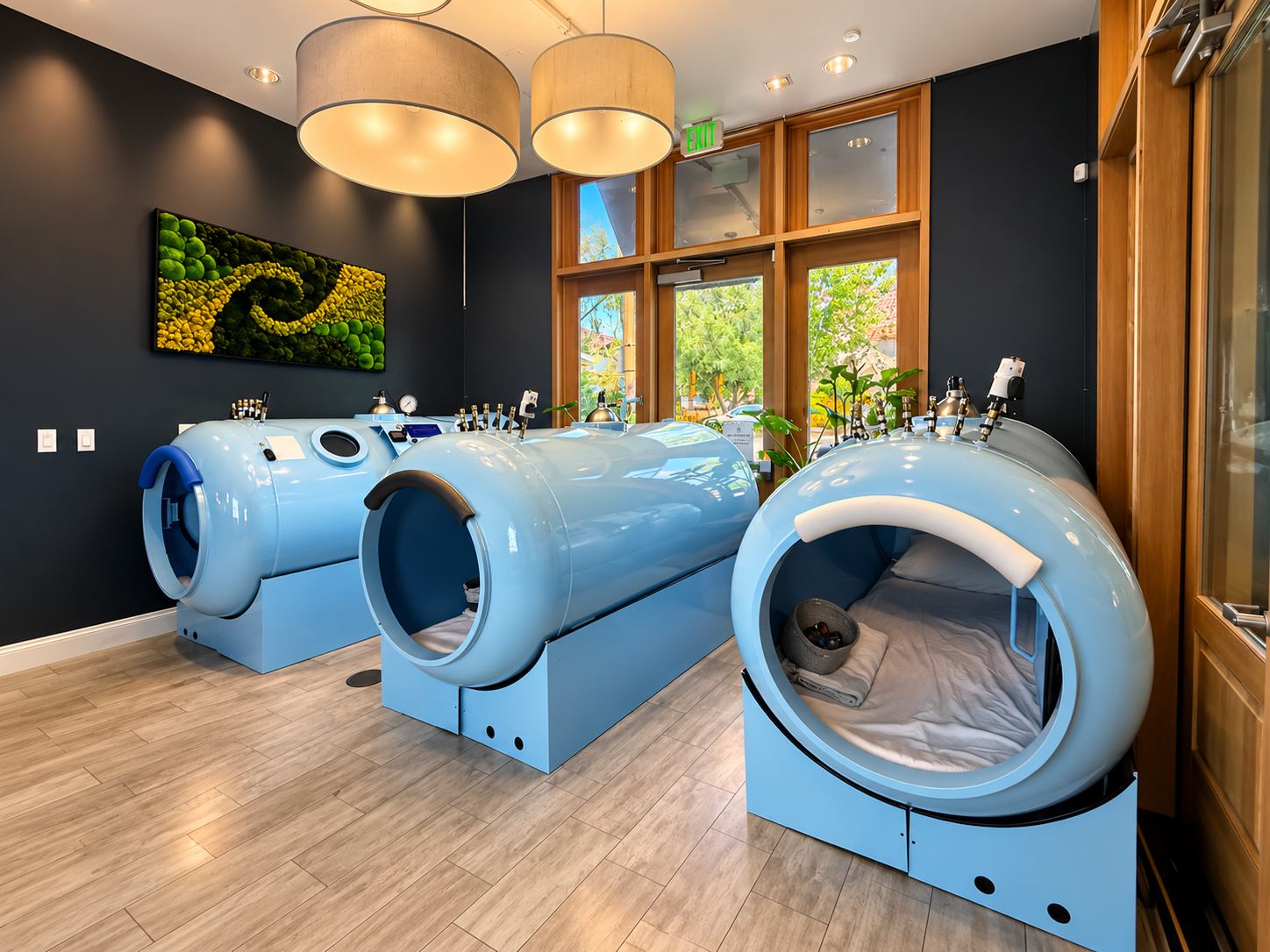
HBOT sessions take place inside FDA-cleared Fortius420 monoplace chambers. You breathe 100% medical-grade oxygen at pressures up to 2.4 ATA through a non-rebreather mask. Sessions run 90 minutes.
For radiation cystitis, standard protocols run 30 to 40 sessions, five days per week. Many patients begin noticing improvement in bleeding and urgency within the first 10 to 15 sessions. Your protocol is personalized based on the severity and duration of your symptoms, your radiation history, and your overall health.
OxygenWell is open seven days a week, with morning, afternoon, and evening appointments available, giving veterans the scheduling flexibility to maintain the daily treatment cadence that HBOT requires.
Why OxygenWell
OxygenWell was founded by Dr. Beth Meneley, DAOM, L.Ac., with 25+ years in integrative medicine and 12+ years dedicated to hyperbaric medicine in Los Angeles. Our clinical team has supervised more than 50,000 HBOT sessions. We have treated patients with radiation cystitis, radiation proctitis, osteoradionecrosis, and soft tissue radionecrosis, the full spectrum of delayed radiation injury.
We are an authorized VA Community Care provider. We understand the clinical urgency of radiation cystitis, and we understand the VA authorization process. Our team works directly with VA urologists and primary care providers to move from referral to treatment start as quickly as possible.
For veterans who have been living with urinary bleeding, urgency, and pain since their cancer treatment, there is a well-established, authorized treatment available. We want to make sure every veteran who qualifies knows about it.
Sherman Oaks: 15301 Ventura Blvd., Suite P-12, CA 91403
Calabasas: 23500 Park Sorrento, Suite A2, CA 91302
Phone: (818) 661-0939
Website: www.oxygenwell.com
See also: VA Community Care HBOT overview | Radiation Cystitis and HBOT | Soft Tissue Radionecrosis and HBOT
Frequently Asked Questions
Does radiation cystitis qualify for VA Community Care HBOT coverage?
Radiation cystitis is a UHMS-recognized indication for HBOT, and coverage may be available when medically eligible and authorized through the VA. The key is getting the condition documented by your VA provider and requesting a Community Care referral. OxygenWell's team can help guide you through what to bring to your VA appointment.
I had prostate cancer treated by the VA with radiation. Does that qualify me?
Agent Orange-linked prostate cancer is a VA presumptive condition, and veterans who received radiation treatment for it are among the most common patients to develop radiation cystitis. If you have ongoing bladder symptoms following radiation, ask your VA provider to evaluate you for radiation cystitis and discuss Community Care HBOT authorization.
How long does HBOT take to work for radiation cystitis?
Many patients notice a reduction in bleeding and urinary symptoms within the first 10 to 15 sessions. A full course of 30 to 40 sessions is typically needed for sustained improvement. Results vary depending on severity of damage and time since radiation.
Can I receive HBOT even if my radiation treatment was years ago?
Yes. Radiation cystitis can develop and worsen over time, and HBOT has shown effectiveness even in patients whose radiation treatment was completed years or decades earlier. The treatment window for delayed radiation injuries is long.
What if my VA provider has not heard of HBOT for radiation cystitis?
This is common. You can reference the UHMS indication for delayed radiation injuries and ask your provider to look into Community Care authorization. OxygenWell's clinical team is also available to provide supporting documentation to help facilitate your referral.
Does OxygenWell see veterans from across Los Angeles?
Yes. Veterans come from Encino, Woodland Hills, Thousand Oaks, Westlake Village, Santa Monica, Burbank, and throughout the San Fernando Valley and greater Los Angeles area. Both of our locations offer flexible scheduling including evenings and weekends.
OxygenWell is an authorized VA Community Care provider. HBOT coverage for radiation cystitis is subject to VA eligibility determination and individual authorization. Contact your VA provider to begin the referral process.
(818) 661-0939 | www.oxygenwell.com | Sherman Oaks · Calabasas
